

Here's a number that surprised me recently: the global online gambling market is expected to cross $150 billion by 2027, and yet when you break down player activity, the overwhelming majority of that money flows through slots and sports betting. Poker, the game that practically built the modern casino industry's reputation for skill, sits somewhere near the bottom. That's a strange imbalance. It's also a clue about how most people actually gamble, and where their assumptions about value quietly fall apart.
Take a moment to think about your own habits. If you fire up a casino app tonight, are you heading straight to Starburst or Big Bass Bonanza? Or are you sitting down at a six-seat Texas Hold'em table? Most of you reading this already know the answer. That's not a criticism, but it's worth asking why.
The House Edge Math Nobody Wants to Read
Veterans in iGaming tend to talk about house edge the way doctors talk about blood pressure. It's the single most important number in any game, and most casual players ignore it entirely. Here's how the spread actually looks:
- Online slots: 2% to 8% on average, with jackpot titles climbing higher. Some slow, low-volatility games sit near 1%, but they're the exception.
- European roulette: 2.7%. American roulette doubles that to 5.26% because of the extra zero.
- Blackjack: 0.5% with basic strategy, which is a real edge if you learn it.
- Baccarat (banker bet): around 1.06%.
- Poker cash games: you play against other players, and the house takes a small rake per pot, usually 5% capped at a few dollars. Your actual edge depends entirely on your skill.
See the gap? A slot machine chews through your bankroll roughly four times faster than a blackjack table with decent strategy, and ten times faster than a baccarat banker bet. That doesn't make slots bad. It makes them expensive entertainment, and that's a completely different framing.
Slots Are Not the Problem, Unthinking Slots Are
I'm not going to be that guy wagging his finger at slot players. Modern slots are engineering marvels. Developers like Nolimit City and Hacksaw Gaming have turned volatility into an art form, and feature-buy modes let you skip straight to the bonus round for a fixed price. That's exciting design, and it's why slots dominate traffic on almost every platform.
But here's the tip most people overlook. Before you spin, look up two things on the game's info screen: the RTP and the volatility rating. An RTP of 96.5% is a very different animal from 94%, and over a thousand spins that 2.5% gap adds up to twenty-five currency units of expected loss on a one-unit bet. Volatility tells you whether the game pays often in small amounts or rarely in huge ones. High volatility demands a bigger bankroll to survive the dry spells. If you're moving to a game blind, you're guessing. And guessing is expensive.
Poker Rewards the Thing Most Casino Games Punish
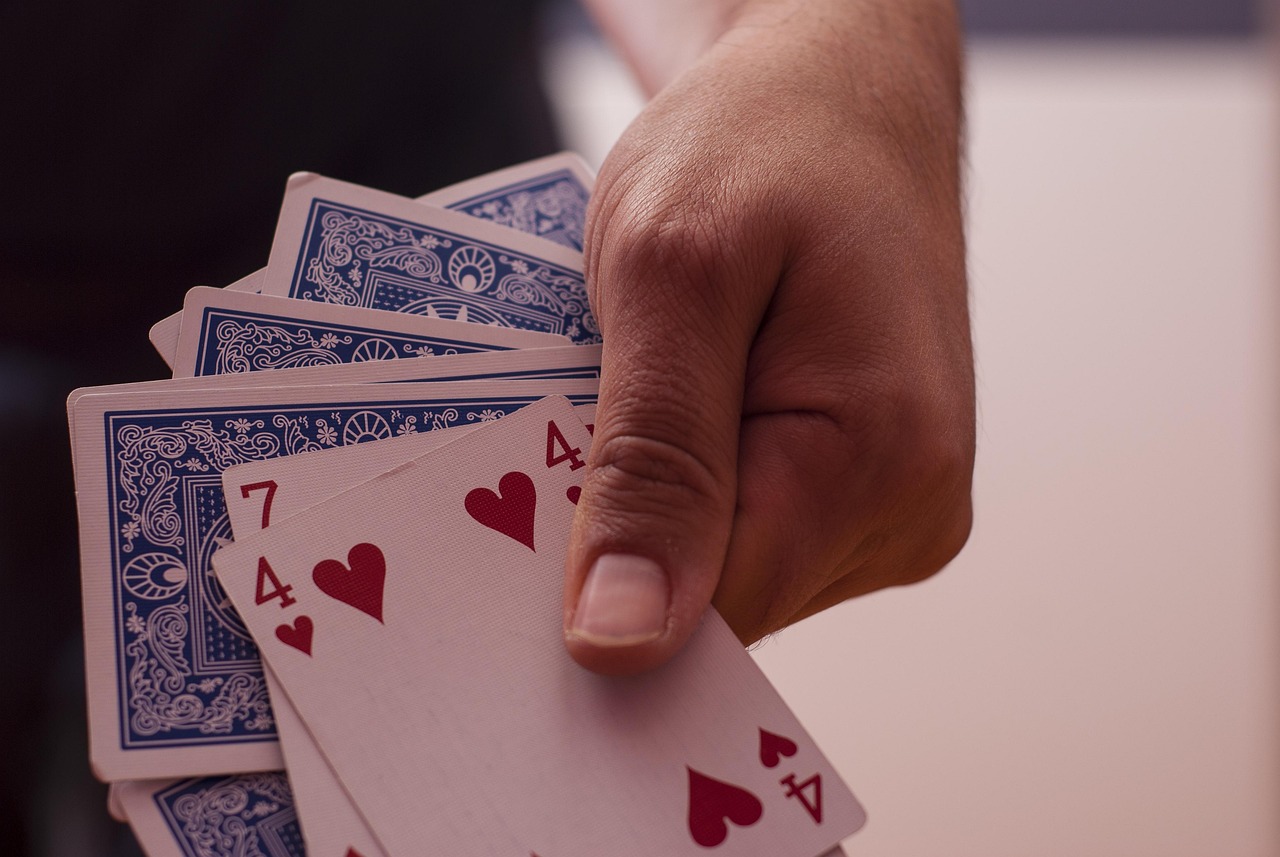
This is the real argument for why anyone serious about gambling should at least learn the basics of poker. Slots and roulette are negative-expectation games by design, and no amount of intuition changes that. Poker is different in a fundamental way: your edge comes from your opponents' mistakes, not from the house's maths. A well-played session at a soft table genuinely can be profitable long-term, and thousands of online regulars make a modest living proving it.
What does that require in practice? More background can be found at nhacaitangtien.com.co.
- Learn preflop ranges. You don't need to memorise a chart, but knowing which hands to open from which position is roughly 70% of the skill gap at low stakes.
- Play fewer hands than you want to. New players chronically overplay weak aces and suited junk. Discipline here pays more than any fancy bluff.
- Track your results. A simple spreadsheet of buy-ins, sessions and results will humble you within a month and teach you where you actually leak money.
- Use position. Acting last is a massive structural advantage. It's free information, and beginners ignore it constantly.
- Move down when you lose three buy-ins. Tilt is the single biggest bankroll killer in the game, and pride is what keeps you at a table you can't afford.
The Sports Betting Trap (And How to Avoid It)
Sports betting has exploded thanks to in-play markets and same-game parlays, which are genuinely fun and genuinely brutal. Bookmakers love parlays because the combined margin multiplies with every leg. A three-leg parlay at typical pricing can carry an effective house edge well over 20%, and punters still hammer them because the payout looks juicy.
If you bet on sports, stick mostly to single bets or two-leg combos, shop around for the best line, and treat bonus bets as what they are: marketing with strings attached. The wagering requirements on most welcome offers mean you'll need to turn over the bonus multiple times before withdrawing a cent. Always read the terms, particularly the contribution rates, because bets on low-margin markets like football often contribute only partially to clearing requirements.
Bankroll Management Beats Game Selection
You can play the best blackjack variant in the world and still go broke in a night if your stakes are wrong. A sensible framework looks like this:
- Set a monthly gambling budget that you could lose without it affecting your rent, savings or relationships.
- Never bet more than 1-2% of that budget on a single slot spin or a single sports bet.
- For poker cash games, keep at least 20 buy-ins for the stake you're playing, and 50 if you're playing tournaments.
- Withdraw profits regularly. Money sitting in a casino account is not money in your pocket, and the psychological pull to re-bet it is real.
This sounds boring, and it is. But the players who last five years in iGaming are almost never the ones chasing jackpot screenshots. They're the ones quietly managing variance and treating the whole thing as a hobby with a cost, not a retirement plan.
Where Does That Leave You?
The igaming world is broader and more interesting than most players ever discover. There's a version of this hobby where slots are a fun, occasional splurge, poker is a genuine skill challenge, and sports betting is a calculated punt on games you actually understand. Moving between them with a clear head and a proper budget isn't being overly cautious. It's what separates people who enjoy gambling for years from people who quietly resent it.
Pick one game. Learn its maths. Set your limits before you log in, not after. And if you've never tried a low-stakes Hold'em table, do yourself a favour and give it a session. You might find that the oldest game in the building is still the one worth mastering.





John Doe
14 January, 2022Having no content in post should have adverse..
Chauffina Carr
10 April, 2022We use these tests all time! Killer stuff!
Jim Séchen
16 July, 2022Thanks for all the comments, everyone!