

Why a native hedge earns its keep in a small garden
A mixed native hedge is one of the most generous things you can plant in a small garden. It shelters your veg patch from wind, houses aphid-eating birds and lacewings, and produces berries, nuts and blossoms you can turn into rustic preserves and cordials. Even a three-metre run along a boundary will make a difference. Unlike a close-boarded fence, a hedge changes with the seasons, offering catkins in late winter, blossom in spring, and fruit in autumn. It also connects your plot to the wider landscape, giving birds and insects a safe corridor through town or village. For a kitchen gardener, that means fewer pests and a larder that ripens just outside the door.
Choosing native species for a compact hedge
You do not need acres for a productive, wildlife-friendly hedge. Choose a backbone of hawthorn, which is tough, thorny and excellent for nesting. Hazel brings catkins and nuts. Blackthorn gives sloes for gin and blossom for early bees. Crab apple offers jelly fruit and spring nectar. Dog rose scrambles through with hips for syrup, and elder provides flowers for cordial and berries for ketchup. A good mix for a small garden is roughly 60% hawthorn, 20% hazel and 20% from the others. Plant bare-root whips between November and March, when the ground is workable and plants are dormant. Space them 30–45cm apart in a single row, or stagger a double row if you have a metre of depth.
- Hawthorn: dense, thorny, excellent nesting; red haws for ketchup or fruit leather.
- Hazel: early catkins, nuts for storing; responds well to coppicing.
- Blackthorn: sloes for gin, early blossom for hungry bees.
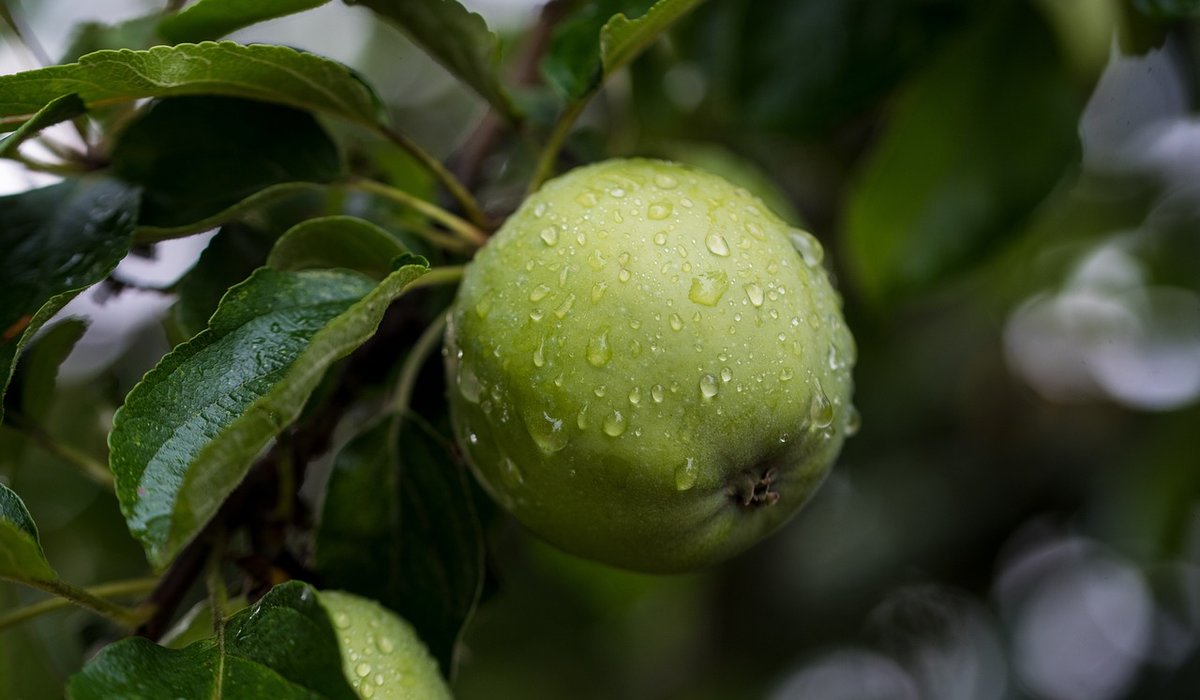
- Crab apple: spring nectar, sharp fruit for rosy jelly.
- Dog rose: hips for syrup and tea, scrambling habit that suits small spaces.
- Elder: elderflowers for cordial, elderberries for spiced ketchup.
Planting bare-root whips: practical steps
Prepare the ground a few weeks ahead if you can, clearing perennial weeds and mixing in well-rotted manure or garden compost. Soak the roots for an hour before planting. Dig a hole wide enough to spread the roots, and plant at the same depth as the nursery mark on the stem. Firm the soil gently with your heel, then mulch with a 5–8cm layer of bark chips or compost, keeping it clear of the stems. Water well after planting and during dry spells for the first two summers. A spiral guard protects against rabbits and voles; remove it once the stems thicken. No fertiliser is needed — native species are adapted to UK soils and will grow away strongly if given a weed-free start.
Pruning without disturbing nesting birds
The single most important rule is to avoid heavy trimming between March and August, the main nesting season. Birds such as robins, dunnocks and blackbirds will nest deep inside a mixed hedge, and a late-spring cut can destroy eggs or chicks. Instead, do any formative pruning in late winter, while the hedge is dormant and before birds pair up. Once established, aim for a light trim every two or three years rather than an annual scalping. You can also cut just one side or the top each year, leaving the other side to flower and fruit. This rotation keeps berries on the bush for winter thrushes and fieldfares. If you must tidy in autumn, use hand shears and check carefully for active nests first. Leave clippings in a corner as a habitat pile, and let fallen leaves stay beneath the hedge as free mulch and insect cover.
Harvesting your hedge for rustic kitchen cooking
A wildlife hedge is also a seasonal larder. Pick sloes after the first frosts — or freeze them overnight — then prick and steep in gin for a Christmas tipple. Crab apples make a sharp, rosy jelly that is superb with roast pork or cheese. Hazel nuts are ready when the husks turn yellow and the shells brown; dry them in an airy room and store in jars. Rosehips become syrup, tea or fruit leather, rich in vitamin C. Elderflowers infuse into cordial or fritters in late spring, while elderberries simmer into a dark, spiced ketchup or syrup in autumn. Hawthorn berries can be cooked into ketchup or fruit leather, though they are fiddly. Always leave at least two-thirds of the crop for birds and mammals, and never forage from sprayed or roadside hedges. Wash everything well and use your senses — if it smells or looks wrong, compost it.
A living larder that gives back all year
Plant a native hedge and you invest in a slow, generous cycle. The first year it sleeps, the second it creeps, the third it leaps — and then you have blossom for bees, nesting sites for birds, berries for winter migrants, and ingredients for your kitchen. In a small garden, keep it to a manageable 1.2–1.5 metres wide and 1.8–2 metres tall, trimming lightly to shape but never hard in spring. Underplant with spring bulbs or wild strawberries if you like, and place a bird bath nearby. The result is a boundary that works harder than any fence: it shelters your vegetables, feeds your family, and welcomes the wildlife that makes a productive plot feel truly alive. Start with a handful of bare-root whips this winter, and let the hedge grow into its own quiet, fruitful rhythm.



John Doe
14 January, 2022Having no content in post should have adverse..
Chauffina Carr
10 April, 2022We use these tests all time! Killer stuff!
Jim Séchen
16 July, 2022Thanks for all the comments, everyone!