

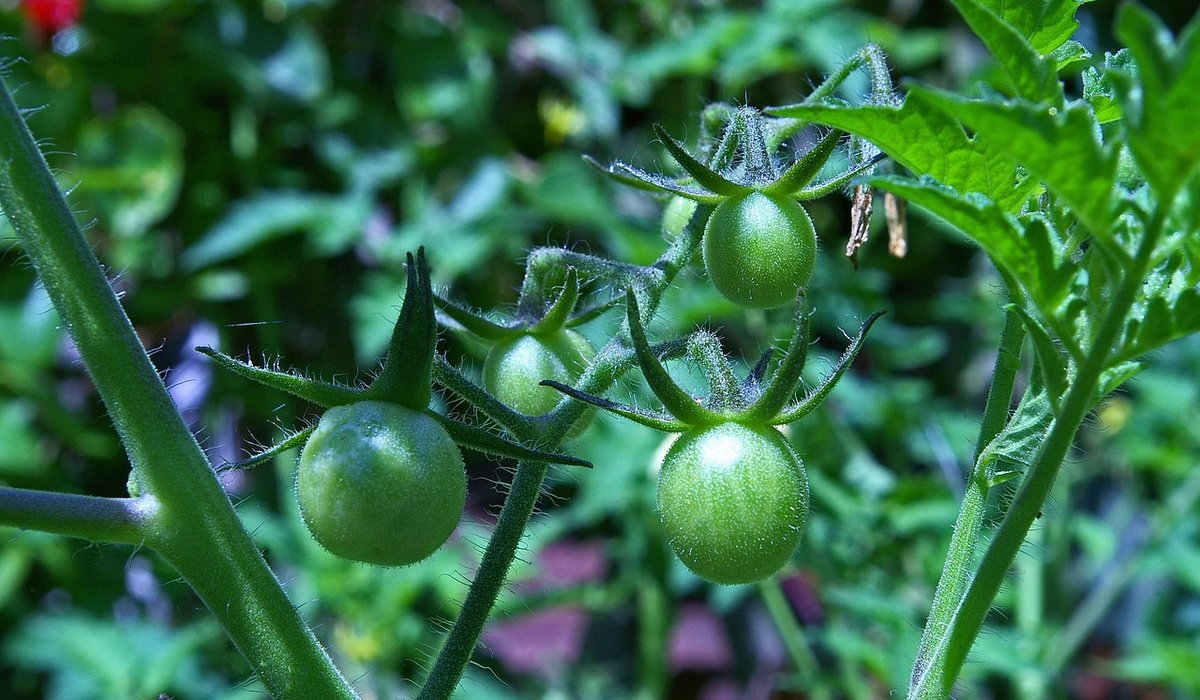
Taking on an allotment is one of the most rewarding things you can do with a spare few hours a week, but the first season can easily overwhelm you if you let the seed catalogues do the planning. The trick is to spend your first month on the ground itself — light, weeds and layout — before a single packet is opened. Do that, and the growing becomes straightforward.
Read Your Plot Before You Dig It
Every allotment has its own microclimate, and the differences across a single site can be surprising. A plot on a south-facing slope with a hedge behind it will behave quite differently from one at the bottom of the field where frost pools on still nights.
Spend a week or two just watching. Note where the sun sits at 9am, at noon and at 4pm. Vegetables need six hours of direct light as a minimum; leafy crops such as chard, spinach and lettuce will tolerate a little shade, but tomatoes, courgettes, beans and sweetcorn will sulk without full sun. Watch where water gathers after rain, too — a dip that floods in February will still be boggy in April, and root crops will rot there.
Also note the wind. Exposed plots suffer battered brassicas and snapped bean poles. A simple windbreak of woven hazel or even a row of sturdy sunflowers on the prevailing side makes a real difference.
Clear Perennial Weeds Properly the First Time
This is the part impatient beginners skip, and it is the reason so many plots are abandoned by August. Annual weeds are easy — hoe them off on a dry day and they're gone. Perennials are a different matter.
- Couch grass spreads by white underground runners that snap and regrow from every fragment. Fork them out, shake the soil off, and bag the roots — never put them on the compost heap.
- Bindweed has roots that travel deep and wide. Digging alone will not beat it. Repeatedly pulling the top growth weakens the root system over a full season; covering the ground with black polythene or thick cardboard for six months does the rest.
- Ground elder, dock and dandelion all regrow from taproots. Remove the whole root with a fork, not a spade, which slices through and multiplies the problem.
If the plot is badly overgrown, don't try to clear all of it. Clear a workable third, cover the rest with cardboard weighted down with old bricks or manure, and deal with it next year. A small, clean, productive area beats a large, weedy, demoralising one every time.
Plan Beds and Paths Before You Order Seeds
Walk the plot with a tape measure and a notebook. Mark out beds no wider than 1.2 metres — that way you can reach the middle from either side without treading on the soil, which matters more than most beginners realise. Compaction is the quiet killer of good crops.
Leave paths of at least 45 centimetres between beds, and wider where you'll push a wheelbarrow. If you can, orient beds north to south so crops don't shade each other as the sun tracks across the sky.
For your first year, keep it simple: four beds of roughly 3 metres by 1.2 metres is plenty. Assign one to roots, one to brassicas, one to legumes, and one to salad and quick crops. You don't need to follow a strict rotation yet, but getting into the habit early pays off against pests and soil exhaustion.
Feed the Soil and Get Something in the Ground
British allotment soil is often heavy clay or thin, sandy stuff, and both improve with the same treatment: organic matter. Spread well-rotted manure or garden compost over the surface in late winter and let the worms work it in. If you can get hold of it, mushroom compost is excellent on clay, though it's alkaline, so avoid it where you plan to grow blueberries or potatoes.
Then plant something. New plots feel discouraging when they're bare, so put in reliable, forgiving crops first:
- Potatoes — they break up rough ground and hide a multitude of sins.
- Runner and French beans — generous croppers that fix nitrogen as they grow.
- Courgettes — two plants will feed a family all summer.
- Salad leaves and radishes — ready in weeks and a real morale boost.
- Onion sets and garlic — planted in autumn, almost no work, harvested in summer.
Water, Tools and a Place to Sit
Find out where the nearest tap is and how far you'll be carrying a can — a full watering can weighs around 10 kilograms. A water butt fed from a shed roof saves endless trips. Invest in four tools and no more to begin with: a digging fork, a spade, a draw hoe and a hand trowel. Buy good quality second-hand if the budget is tight; a well-made fork will outlast three cheap ones.
Finally, put a bench or an upturned crate somewhere sunny. Allotment gardening is as much about the cup of tea and the chat over the fence as it is about the harvest, and a plot you enjoy sitting on is a plot you'll keep coming back to. Start small, keep the weeds beaten, and the rest will follow in its own season.





John Doe
14 January, 2022Having no content in post should have adverse..
Chauffina Carr
10 April, 2022We use these tests all time! Killer stuff!
Jim Séchen
16 July, 2022Thanks for all the comments, everyone!