

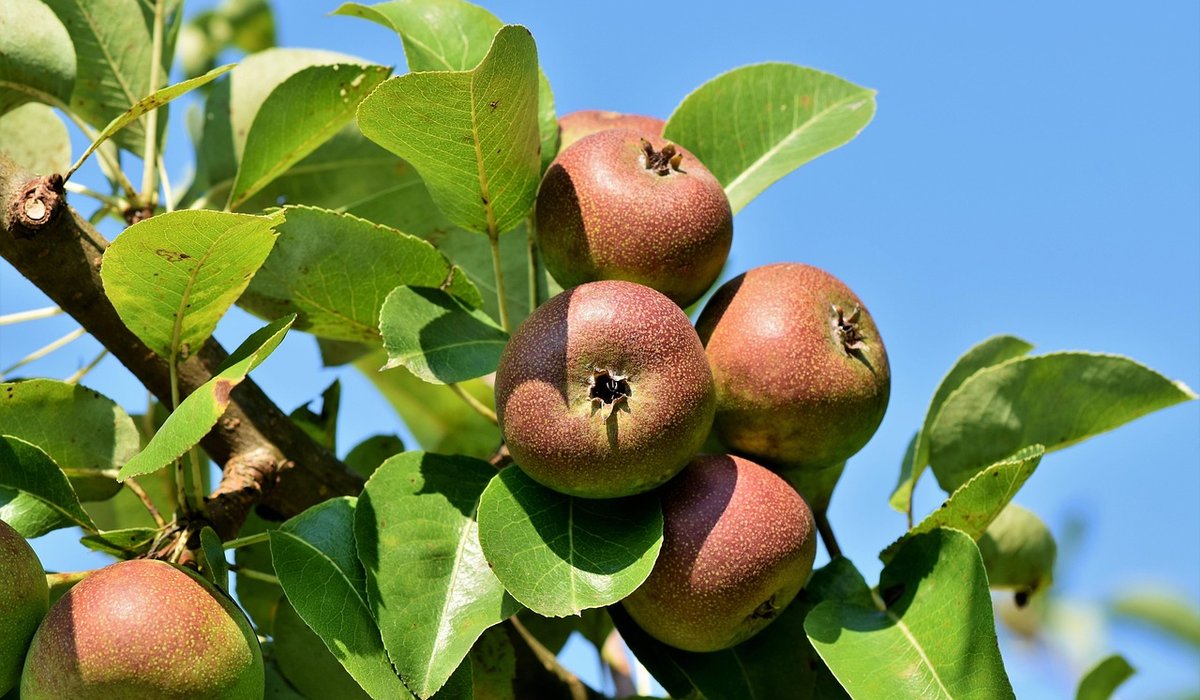
Why Winter Is the Kindest Time to Prune
There is something deeply satisfying about pulling on a woolly hat, grabbing a sharp pair of secateurs and stepping out into a frosty orchard on a bright January morning. The trees are bare, the sap is down, and the whole garden feels like it is holding its breath. This dormancy is precisely why winter is the best moment to prune apples and pears. Without leaves in the way, you can see the true shape of the tree, spot the awkward crossing branches and make clean cuts without shocking the plant into a flush of weak growth.
Pruning between late November and late February — avoiding the very coldest spells when wood is brittle and frozen — gives wounds time to seal before spring. It also means your tree wakes up with a clear plan: a well-spaced framework of branches ready to carry next autumn's crop of cookers, eaters and perry pears.
Start With a Good Look at the Whole Tree
Before you cut anything, walk around the tree two or three times. Stand back, look up into the canopy, and ask yourself what the tree is trying to do. Apples and pears fruit best on a structure that lets light reach the middle. Imagine a blackbird flying straight down through the centre of the tree and out the other side — that is the level of openness you are aiming for.
You are looking for three things in particular:
- Dead, damaged or diseased wood, which should always go first.
- Branches that cross, rub or grow inward, which chafe in the wind and open wounds for canker.
- Crowded growth in the centre, which blocks light and traps damp air.
Take your time. A tree that has been neglected for years will not be fixed in one season, and that is perfectly alright. Aim to remove no more than a quarter of the canopy in any single winter.
The Three Cuts That Matter Most
Most of your work will come down to three simple actions.
Remove the three Ds. Dead, diseased and damaged branches should be cut back to clean, healthy wood. If you are dealing with canker — those sunken, scabby patches on apple bark — cut well below the affected area, sterilising your blades between cuts with a wipe of methylated spirits.
Thin out crossing branches. Where two limbs rub together, decide which is the stronger and better placed, then remove the other completely, cutting back to the branch collar rather than leaving a stub. A stub dies back and invites infection; a clean cut heals.
Shorten this year's new growth. On established trees, take the previous season's extension growth back by about a third to a half, cutting just above an outward-facing bud. This encourages a sturdier, more open shape and pushes energy into fruiting spurs rather than long, whippy shoots.
Apples and Pears Are Not Quite the Same
Both respond well to winter pruning, but there is one important difference worth remembering. Pears tend to grow more upright and form a narrower, more congested head, so they often need a little more thinning in the centre than apples. They also fruit on older spurs, so be gentle with the short, knobbly growth — that is where next year's crop is waiting.
Apples divide into two rough groups. Spur-bearers, like 'Cox's Orange Pippin' and 'Egremont Russet', crop on short spurs along the branches and respond happily to the shortening technique above. Tip-bearers, such as 'Bramley's Seedling' partly and many older varieties, fruit at the ends of long shoots, so heavy tipping will simply cut off your harvest. If you are unsure which you have, prune lightly and watch where the fruit forms next season.
If you grow trained forms — cordons, espaliers or fans — winter is the time to tie in new shoots and cut back to the framework, keeping the pattern neat and the fruit within reach.
Tools, Cuts and a Little Aftercare
Sharp tools make clean cuts, and clean cuts heal. A decent pair of bypass secateurs, a pruning saw for anything thicker than a thumb, and a pair of long-handled loppers will see you through most jobs. Bypass tools slice rather than crush, which matters more than many gardeners realise.
- Cut close to the branch collar, the slight swelling where branch meets trunk, but do not cut into it.
- Make an undercut first on heavier limbs so the bark does not tear as the branch falls.
- Remove and burn or bin diseased prunings — never add them to the compost heap.
- Feed with a balanced fertiliser and a mulch of well-rotted manure in early spring to fuel the new growth.
Winter pruning is one of those quiet, hopeful jobs that pays you back twice: once in the shape and health of your trees, and again in the kitchen. Come September, those well-spaced branches will hand you baskets of fruit for pies, chutneys, crumbles and a slow-baked pear tart with a wedge of sharp Cheddar. Bundle up, take your time, and enjoy the stillness of the dormant orchard — your trees will thank you for it.



John Doe
14 January, 2022Having no content in post should have adverse..
Chauffina Carr
10 April, 2022We use these tests all time! Killer stuff!
Jim Séchen
16 July, 2022Thanks for all the comments, everyone!