

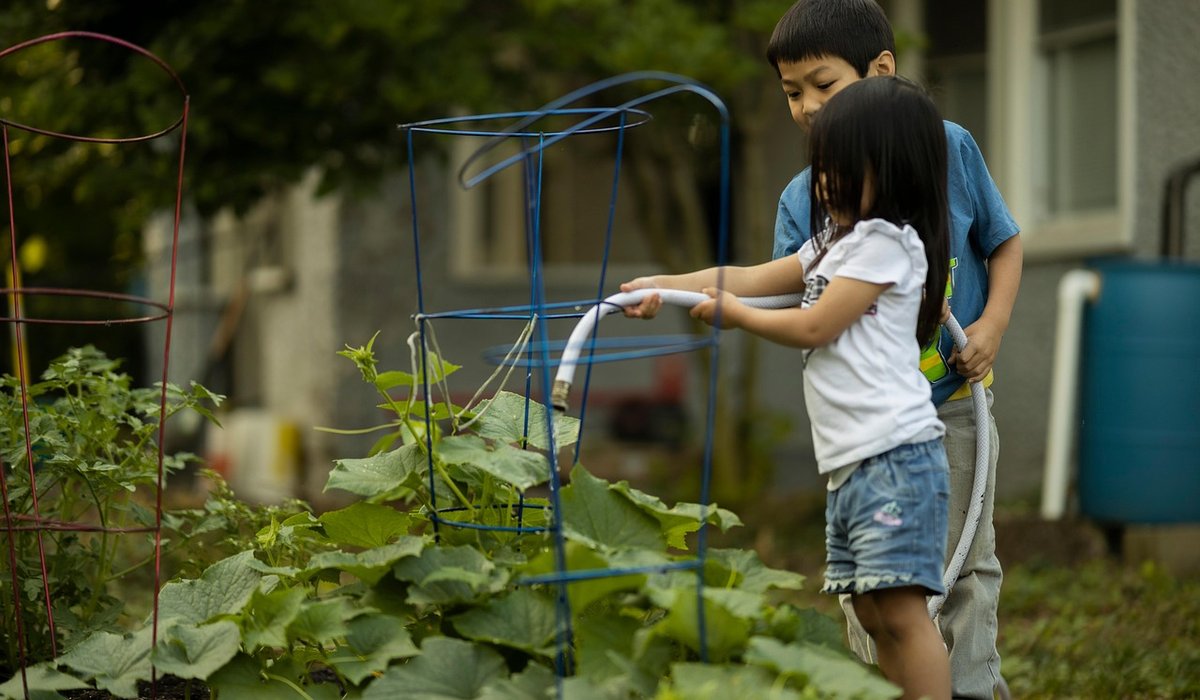
Why Russets Suit a Small Plot
Russet apples are the quiet heroes of the British orchard. Their skins are rough, bronze-green and often netted with russeting — a natural corky layer that feels cottage-garden. That texture is not a flaw. It is a sign of flavour: dense, nutty, honeyed flesh that sweetens in store and holds its shape in a pie. For a small garden, russets are ideal because many are compact, spur-bearing and happy trained against a wall or fence. They crop reliably in our climate and give you fruit from October well into the new year.
You do not need an orchard. A single tree on a dwarfing rootstock, trained as a cordon or espalier, will give you bowls of apples from a space no bigger than a wheelie bin.
Pick the Right Variety and Rootstock
Heritage russets each have a distinct character. Egremont Russet is the classic: golden-brown, crisp, with a pear-drop sweetness and a fine nutty finish. It is self-fertile. Ashmead's Kernel is older and more intense — sharp, aromatic, and excellent for cider and baking. Rosemary Russet is smaller and later, with a rich, sugary flesh that keeps until spring.
Rootstock decides the final size. For a small garden:
- M9 — very dwarfing; needs permanent staking. Ideal for cordons and containers.
- M26 — semi-dwarfing; a good compromise for a small tree or espalier.
- MM106 — semi-vigorous; best for a larger garden or a free-standing tree, kept in check with summer pruning.
If you have a wall or fence, ask for a partially trained tree — a cordon, espalier or fan — on M26 or M9. It will arrive already shaped and will fruit within two or three years.
Siting, Soil and Drainage
Apples want sun. Aim for at least six hours of direct light a day, ideally on a south or west-facing wall. Russets are hardy, but they flower early, so avoid a frost pocket — a low spot where cold air collects. A gentle slope or a spot near a building that radiates warmth at night is perfect.
Drainage matters more than richness. Russets hate waterlogged roots, which cause canker and poor cropping. If your soil is heavy clay, plant on a slight mound or in a raised bed. Dig in plenty of well-rotted garden compost or leafmould a few weeks before planting. A soil pH of 6.0 to 7.0 is ideal, but apples are forgiving. In a container, use a loam-based compost mixed with grit, and stand the pot on feet so water drains freely.
Planting Bare-Root in Winter
Bare-root trees are cheaper, establish better and come in a wider range of varieties than pot-grown ones. Order from a reputable nursery for delivery between November and March, when the tree is dormant. Plant on a mild, frost-free day when the soil is not frozen or sodden.
- Soak the roots in a bucket of water for an hour before planting.
- Dig a hole wide enough to spread the roots, but no deeper than the soil mark on the trunk.
- Position the tree so the graft union sits 5–8 cm above soil level.
- Backfill, firm gently, and water well. Stake dwarfing rootstocks.
- Mulch with well-rotted manure or compost, keeping it clear of the trunk.
Space cordons 60–75 cm apart, espaliers 3–4 metres between rows, and a free-standing tree on M26 about 3 metres from any other tree or wall.
Pruning, Feeding and Training
Russets crop best on short fruiting spurs, so prune to encourage a balanced framework. In winter, remove dead, diseased or crossing branches. In summer — late July to August — shorten side shoots to three or four leaves to let light and air into the tree and encourage next year's fruit buds. For espaliers and cordons, summer pruning is essential to keep the shape tight.
Feed in late winter with a balanced general fertiliser, and mulch again in spring. Water young trees in dry spells for the first two years. Thin heavy crops in June to one apple per cluster, leaving 10–15 cm between fruits — this gives you larger, better-flavoured apples and prevents biennial cropping.
Watch for aphids, codling moth and canker. Pick off affected fruit, encourage birds and ladybirds, and prune out cankered wood in dry weather. A healthy tree on good soil rarely needs spraying.
Harvest, Storage and Rustic Cooking
Pick russets when the fruit comes away easily with a gentle twist, usually from late September to October. The skin should be dry and the pips dark brown. Store in a cool, dark, frost-free place — a shed, garage or unheated room — in single layers on slatted trays or in paper-lined boxes. They will keep for two to four months, often improving in flavour as the starches turn to sugar.
In the kitchen, russets are wonderfully versatile. Their dry, firm flesh holds its shape, so they are superb for baked apples stuffed with raisins, cinnamon and brown sugar; for tarte tatin; and for a rustic apple and blackberry crumble. They also make excellent chutney with onions, vinegar and spices, and a rich apple sauce to serve with pork. For a simple supper, core and slice them into a buttered dish, scatter with demerara sugar and a pinch of mixed spice, and bake until golden and bubbling.
One tree, a sunny corner and a little winter patience — that is all a heritage russet asks. In return you get blossom in spring, fruit in autumn, and the quiet satisfaction of a truly British harvest.



John Doe
14 January, 2022Having no content in post should have adverse..
Chauffina Carr
10 April, 2022We use these tests all time! Killer stuff!
Jim Séchen
16 July, 2022Thanks for all the comments, everyone!